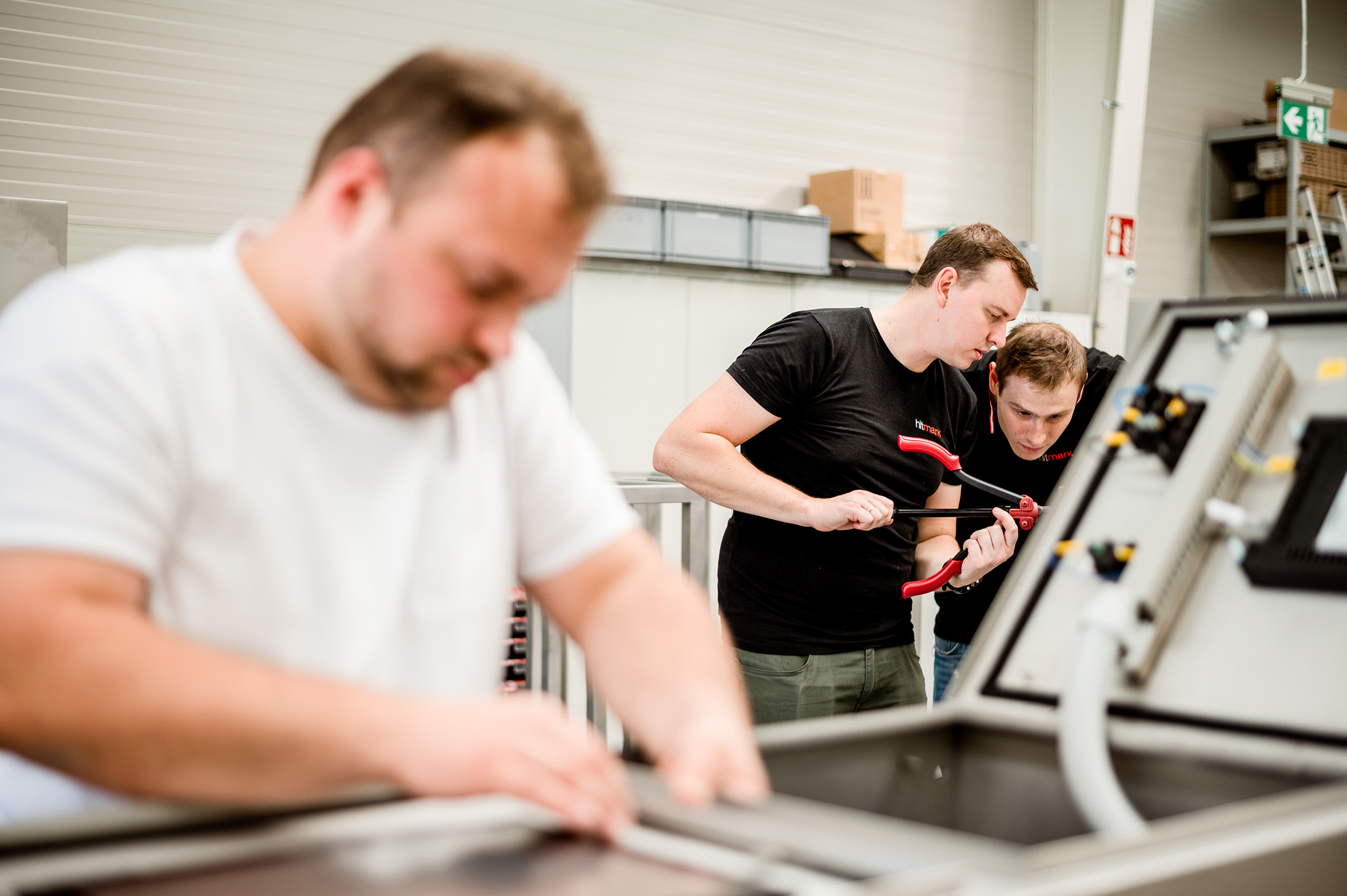
The topic of robotization often triggers strong emotions. One of the most frequently repeated statements is: “robots take jobs away from people.” The problem is that, in most cases, this is an oversimplification that has little to do with what everyday production actually looks like.
If you look at real manufacturing plants, the picture is much more complex. Robotization is not about simply replacing humans with machines. It is rather a change in how work is organized, which in many cases allows companies to maintain production at an appropriate level at all.
The source of this belief is quite obvious. Robots are most often implemented where work is repetitive, predictable, and does not require decision-making. In such situations, it may indeed seem that humans are being replaced.
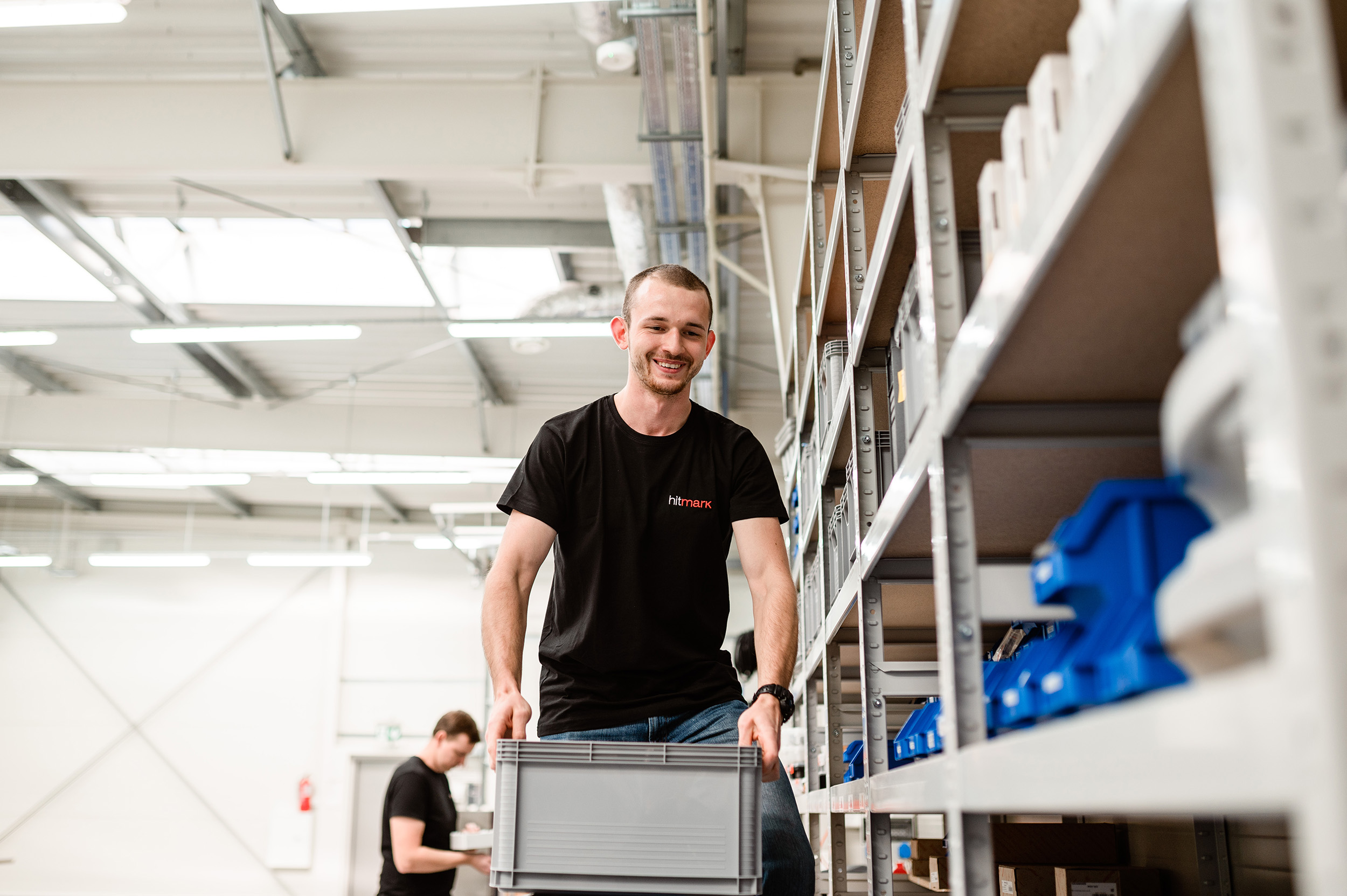
However, this is only part of the reality. In practice, many manufacturing companies are not struggling with an excess of workers, but with a shortage. Recruitment difficulties, high turnover, and the low attractiveness of certain positions make it increasingly difficult to maintain a stable workforce. In such conditions, a robot does not take a job away. It fills a gap that cannot be closed in a traditional way.
Implementing a robot very rarely means that someone loses their job overnight. Much more often, it leads to a change in the scope of responsibilities.
People who previously performed a single, repetitive operation begin to take on a different role in the process. Instead of focusing on one movement, they supervise the workstation, handle several operations at once, or focus on quality control. This is a change that matters not only for the company, but also for the employees themselves. Work becomes less monotonous, more predictable, and often less physically demanding.
In many plants, the decision to introduce robotization does not stem from a desire to reduce employment, but from the need to sustain production. There is a shortage of people, and those who are available are not always willing to work in roles that require repetitive and physically demanding tasks.
Robots perform very well in such areas. They take over operations that are the least attractive and most prone to errors caused by fatigue or monotony. As a result, employees can be reassigned to tasks that require greater involvement and bring more value to the entire process.
One of the most common myths is the belief that robotization automatically leads to job cuts. In practice, it is much more often about a change in the structure of work than its elimination.
Another concern is that robots eliminate jobs for less experienced workers. In reality, these workers often benefit the most from the change, as they move away from the most physically demanding and monotonous tasks. There is also a belief that robotization is reserved only for large companies and very high production volumes. In reality, more and more implementations concern specific, individual processes that require improved stability or efficiency.
A robot does not replace a human in the entire process. Rather, it changes what the human is responsible for.
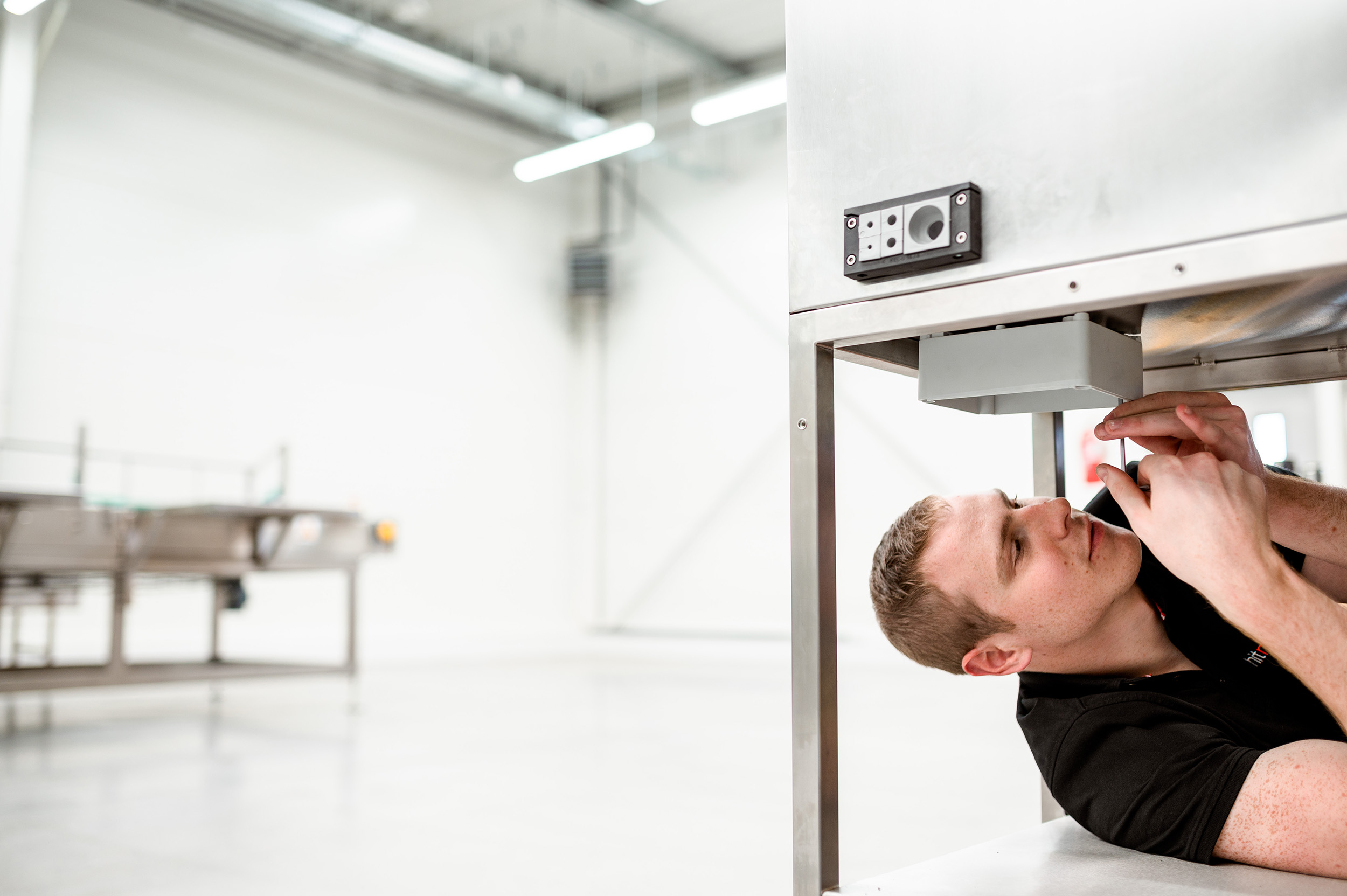
Instead of performing repetitive manual work, the employee becomes an operator and supervisor of the process. They are responsible for its continuity, respond to non-standard situations, and control quality. This shift is significant—in a well-organized process, humans and robots do not compete with each other, but complement one another. Each does what they are best at.
After implementing robotization, several recurring effects are usually observed. The process becomes more stable, it is easier to maintain consistent quality, and production results are no longer dependent on the temporary condition or performance of an individual worker.
At the same time, the team begins to work differently. Less time is spent on simple operations, and more on supervision and process optimization. This is where real value appears—not in the robot itself, but in the change in the way of working.
The biggest challenge is not the technology itself. It is the change in mindset.
If a robot is implemented but the way the process is managed does not change, the results will be limited. The potential of the workstation will not be fully utilized, and the robot will become just another element of the line. Only the combination of technology with data-driven work and conscious process management delivers real results. The question of whether robots take jobs does not have a simple answer. In theory, they can replace certain tasks. In production practice, however, they much more often solve problems that companies face every day. Robotization changes the way work is done, but it does not eliminate the role of humans. It shifts it to other areas that are more demanding, but also more valuable.
From a production perspective, what matters most is that it enables more stable, predictable, and efficient operations. And these are precisely the factors that determine real competitiveness today.